Custom Rooflights for Modern Designs
Energy Efficiency and Rooflights: How They Can Reduce Your Bills
Rooflights provide a valuable solution for boosting energy efficiency in homes and commercial buildings. By harnessing natural daylight, they decrease dependence on artificial lighting and can decrease electricity costs. Advances in glazing technology continue to advance their effectiveness, reducing heat loss and supporting temperature regulation. Understanding the specific benefits and options available can lead to informed decisions. What factors should be considered when selecting the ideal rooflight for maximum energy savings?
What Are Rooflights and How Do They Save Energy?
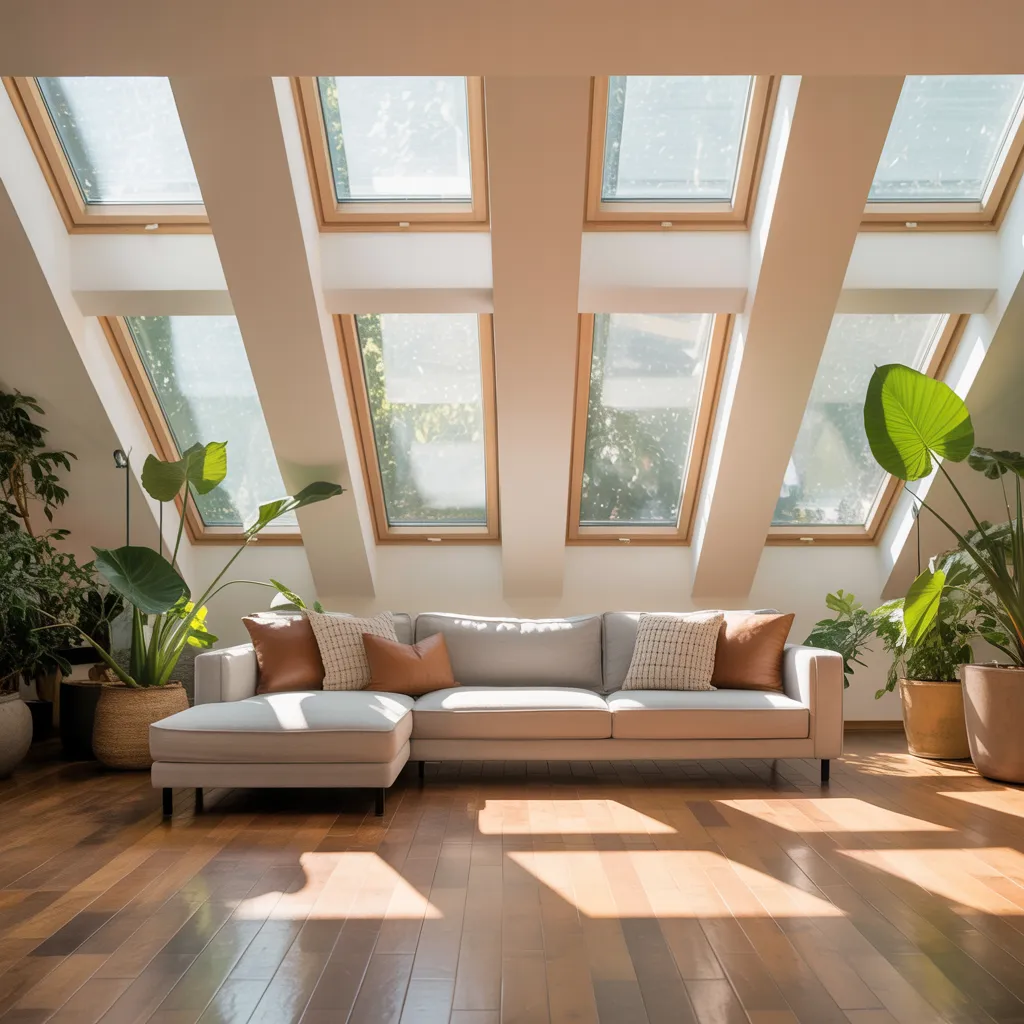
Rooflights, often called skylights, are specially designed architectural elements that enable natural light to enter interior spaces. These installations can greatly enhance energy efficiency in homes and offices by reducing the need for artificial lighting during daylight hours. By making the most of available natural light, rooflights contribute to reduced electricity consumption, which can translate into smaller energy bills.
Moreover, current skylight solutions often incorporate sophisticated glass technologies that provide enhanced thermal efficiency. This thermal performance serves to preserve indoor temperatures, minimizing the need for heating and air conditioning. As a result, inhabitants may experience enhanced indoor comfort while simultaneously decreasing energy costs.
Additionally, strategically placed rooflights can increase ventilation, enabling better air circulation. This not only fosters a cleaner indoor environment but can also lessen the dependency on mechanical ventilation systems. Overall, rooflights deliver a comprehensive approach to boosting energy efficiency in a wide range of building types.

Selecting the Right Rooflight for Your Home or Office
When selecting a rooflight for a residential or commercial space, a number of factors need to be taken into account to achieve optimal performance and visual appeal. The size and placement of the rooflight are important, as they impact both light levels and visual appeal. Selecting the appropriate glazing type is also important; options include double or triple-glazed units that offer better insulation and energy efficiency.
In addition, the aesthetic should complement the design style of the property, whether modern or conventional. Ventilation capabilities are also an important factor, as they can help regulate indoor climate and air quality.
Finally, assessing local planning permissions and any required building regulations is crucial to ensure compliance. By considering these elements, individuals can make informed decisions that enhance both the aesthetic appeal and practicality of their properties while maximizing energy efficiency.
How Rooflights Improve Natural Lighting and Energy Efficiency
Rooflights serve a vital function in maximising natural illumination within interior spaces, enabling more effective use of daylight. This increased influx of natural light can significantly decrease dependence on artificial lighting, resulting in reduced energy usage. Consequently, the integration of rooflights not only brightens interiors but also supports greater energy efficiency.
Maximized Natural Light Utilization
While electric lighting remains fundamental to modern architecture, the thoughtful inclusion of rooflights considerably boosts natural daylight utilization, leading to improved energy efficiency. Rooflights permit ample sunlight to penetrate deep into internal living spaces, reducing reliance on artificial lighting throughout the day. This organic light source not only fosters a more comfortable atmosphere but also contributes to lower energy consumption. Additionally, rooflights can be designed to improve how light is distributed, limiting glare while enhancing overall brightness. Incorporating advanced materials, such as low-e glass, can further enhance thermal performance, guaranteeing that heat loss is reduced. In summary, strategic daylight control through rooflight systems promotes an eco-friendly method of architectural planning, aligning aesthetic appeal with energy-saving benefits.
Minimized Artificial Lighting Demands
Natural daylight greatly reduces the reliance on electric lighting within interior spaces. Rooflights significantly increase the abundance of natural light, illuminating areas that would otherwise rely heavily on electric lighting. This reduction in electric lighting not only diminishes electricity use but also decreases energy costs over time. By thoughtfully installing skylights, residents can optimize daylight penetration, creating lighter, more welcoming spaces. Improved natural light can boost wellbeing and efficiency, also benefiting the general health of occupants. Moreover, with decreased use of man-made light sources, the environmental impact is minimized, promoting greater ecological responsibility. Ultimately, roof windows serve as a viable option for energy efficiency while fostering a improved residential setting.
How Rooflights Support Temperature Regulation and Thermal Insulation
When included in a structure's design, rooflights considerably boost temperature regulation and insulation. These architectural features enable natural light to filter through while limiting heat loss during the winter months. Rooflights are available with sophisticated glazing systems that reflect unwanted solar heat in summer, thus decreasing dependence on air conditioning. This quality not only boosts comfort but also promotes a more balanced internal environment.
Additionally, rooflights contribute to passive solar heating, harnessing sunlight to naturally heat spaces. This can bring about a significant lowering of heating costs. The thoughtful arrangement of rooflights can produce a balanced spread of light and warmth, eliminating cold spots and draughts throughout a room.
Moreover, premium insulation around rooflight installations is necessary. Effectively insulated rooflights eliminate thermal bridging, ensuring that energy efficiency is maximized. In summary, rooflights represent a key element in enhancing a home's energy performance and comfort levels.
Financial Benefits and Return on Investment of Rooflights
Choosing rooflights can generate considerable financial savings across the years. By enhancing natural light penetration, rooflights reduce the reliance on artificial lighting, which considerably lowers electricity bills. Data shows that businesses can realise up to a 30% reduction in energy expenditure as a result of better daylighting. Additionally, rooflights contribute to better temperature regulation, lessening the need for heating and cooling systems. This consequently results in decreased energy usage and reduced utility bills.
The initial investment in rooflights is frequently recovered through such savings within a couple of years, making it a fiscally wise option. Moreover, numerous areas have incentives available for environmentally efficient installations, boosting the return on investment (ROI). The long-term benefits extend beyond financial savings, supporting a more environmentally conscious and environmentally friendly building design. In summary, the thoughtful application data of rooflights not only enhances energy efficiency but also provides significant monetary rewards for homeowners and businesses alike.
Practical Examples: Case Studies of Energy Performance With Rooflight Solutions
Several case studies highlight the significant impact of rooflights on energy savings in a variety of settings. As an example, a business premises in London fitted rooflights, leading to a 30% drop in lighting costs. Workers observed enhanced wellbeing and efficiency as a result of improved natural light, highlighting the wider benefits of rooflight installations.
In another example, a academy in the city of Manchester utilized rooflights to brighten classrooms, leading to a considerable reduction in power consumption, enabling the establishment to direct savings towards academic resources.
Furthermore, a private property in the suburbs took advantage of rooflight installations, attaining a 25% decrease in heating costs during winter periods. These instances highlight how rooflights not only lower energy expenses but also enhance the home and workplace settings. As these success stories show, adding rooflight solutions can be a wise investment toward enhanced sustainability and energy savings across multiple industries.
Common Questions and Answers
Are Rooflights Suitable for All Roof Types?
Rooflights can be installed on numerous roof configurations, including flat, pitched, and vaulted roofs. Nevertheless, certain key considerations concerning structural integrity, waterproofing, and local building regulations should be carefully considered to secure effective installation and long-term performance.
Do Rooflights Need Any Special Maintenance?
Rooflights generally require minimal maintenance, such as periodic cleaning and examination for any leaks or damage. Ensuring seals remain intact and addressing any issues promptly can help maintain their functionality and longevity over time.
Which Building Regulations Cover Rooflight Installations?
Regulatory requirements for rooflight fitting projects generally encompass compliance with thermal performance, structural integrity, and fire safety guidelines. Regional planning bodies might further apply constraints, ensuring the installations enhance safety and align with zoning requirements.
What Eco-Friendly Rooflight Options Are There?
A range of eco-friendly rooflight choices are available, such as those crafted from recycled materials or designed with energy-efficient glazing. Such choices maximise natural illumination while lowering environmental impact, attracting those who prioritise sustainable building practices.
In What Ways Do Rooflights Impact Property Resale Value?
Rooflights can enhance property sale value by improving natural lighting, visual appeal, and thermal performance. Houses equipped with thoughtfully designed rooflights often attract buyers in search of up-to-date home features, potentially leading to higher offers and a quicker sale.